












Accounting companies depend on precision, expertise, and trust to be successful, but even the most reputable firms undercut their performance due to one persistent issue: inefficiency.
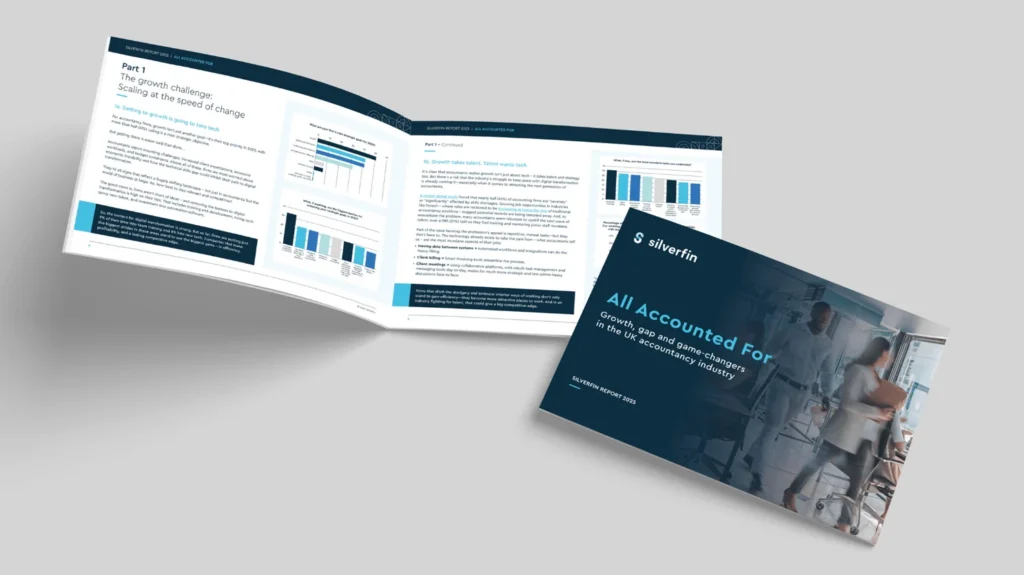
A new report shows that accountants lose an average of 1.2 hours per day on low-value tasks such as manual data entry, chasing clients for documentation or performing routine compliance admin. When multiplied across a team of employees, these micro-inefficiencies can translate into significant revenue loss.
The financial impact can be staggering. At a daily cost of £176 per accountant, these inefficiencies cost approximately £48,000 per year per full-time employee. For mid-sized firms, that adds up to more than £1 million annually in unproductive time.
What’s draining productivity?
Time is the most valuable resource in a professional services firm. So much time is consumed by low-value tasks that could be automated or avoided altogether.
These include:
- Entering or reformatting data between systems
- Chasing missing financial documents
- Manually preparing reports for tax or compliance
- Reconciling figures across disparate spreadsheets
These processes hamper workflow, introduce avoidable errors and cause long delays. The result is tight or missed deadlines, frustrated staff and reduced capacity to deliver high-value advisory services.
Why traditional tools no longer cut it
Many companies rely on outdated legacy systems and manual spreadsheets. These tools have served the accountants in practice for many years, but they are now holding back the workflow and unable to keep pace with the demands of modern accounting. They require too much manual intervention, are prone to version-control issues, and create silos between departments.
Critically, traditional systems severely hamper collaboration between colleagues, delaying a team’s response to client queries or regulatory changes. And in a time when agility is a competitive advantage, outdated tools have become a liability.
Automation is no longer optional
Like so many other professions, accounting is experiencing a profound shift. The move to automation is no longer a prospect; it’s happening now and at pace. Companies that have fully embraced automation and have significantly reduced their repetitive tasks like data entry, compliance checks, and report generation are seeing measurable gains in time and accuracy. They enjoy a distinct advantage over other companies that have hesitated.
By significantly reducing the time spent on routine admin, automation allows accounting professionals to spend more time on analysis, strategy, and client engagement. More time for higher-value activities has several immediate benefits – it can significantly improve job satisfaction, strengthen client relationships, and create new revenue opportunities.
Integration is the missing link in most digital strategies
Embracing digital tools is not enough, however. Many companies are too cautious with new software and fail to exploit the full benefit of automation. Without seamless integration between tax, compliance, and reporting software, companies must still manage multiple logins, duplicate work, and struggle with inconsistent data.
Integration is key; it transforms a collection of digital tools into a unified, intelligent system. It ensures that everyone works from the same source of truth, reduces errors, and enables faster decision-making.
Cloud platforms unlock the full value of your team
Cloud technology enables firms to work securely from anywhere, access client data in real time, and share files without the stress of version confusion. This flexibility is essential in hybrid working environments or teams working across multiple office locations and time zones.
Cloud-based tools allow teams to work collaboratively on the same file simultaneously, with changes saved instantly. Managers can review work without waiting for email updates. Compliance leads can verify documentation without chasing for access. With this access and document security level, teams become more aligned and workflows more efficient.
From cost centre to value creator
When inefficiencies are addressed through automation, it’s possible to transform the accountant’s role from a grudge cost to a much-needed value add. No longer held back by administrative tasks, professionals have the time to spend on deep macro and micro analysis and become trustworthy advisors to their clients. They have the time to mine for intelligence to guide clients in their plans, identify growth opportunities, mitigate risk, and optimise financial outcomes.
This repositioning adds significant value for clients, elevating the accounting team’s brand and revenue potential. Accountants who can make the shift from compliance to consultancy are much better placed to survive and thrive in today’s competitive market.

Ready to win back lost revenue?
The growing popularity of digital tools and automation means that inefficiency costs have become obvious. Digital tools allow for easy measuring of results. The solution is straightforward: identify workflow bottlenecks, automate repetitive tasks, and champion and adopt digital tools that enable your firm to do more. By doing this, accounting companies can raise their competitive standing, recover lost revenue, improve team morale, and deliver higher value to their clients.
Digital transformation isn’t about replacing people but empowering them to do their best work. Proactive companies that act now stand to benefit the most.